Preparing for Seasonal Changes: Nutritional Tips for Mental Wellness


Understanding the Impact of Seasonal Changes
As the seasons change, many people experience shifts in mood and mental wellness. This phenomenon, often related to changes in sunlight exposure and temperature, can influence our emotional state and overall mental health. Preparing for these transitions with the right nutrition can help maintain balance and well-being.
Seasonal Affective Disorder (SAD) is a common concern during the fall and winter months. It's essential to understand how dietary choices can play a role in managing symptoms and promoting mental resilience.

Boosting Mood with Nutrient-Rich Foods
Certain nutrients are known to support brain health and improve mood. Incorporating these into your diet can be a proactive step in preparing for seasonal changes.
Omega-3 Fatty Acids
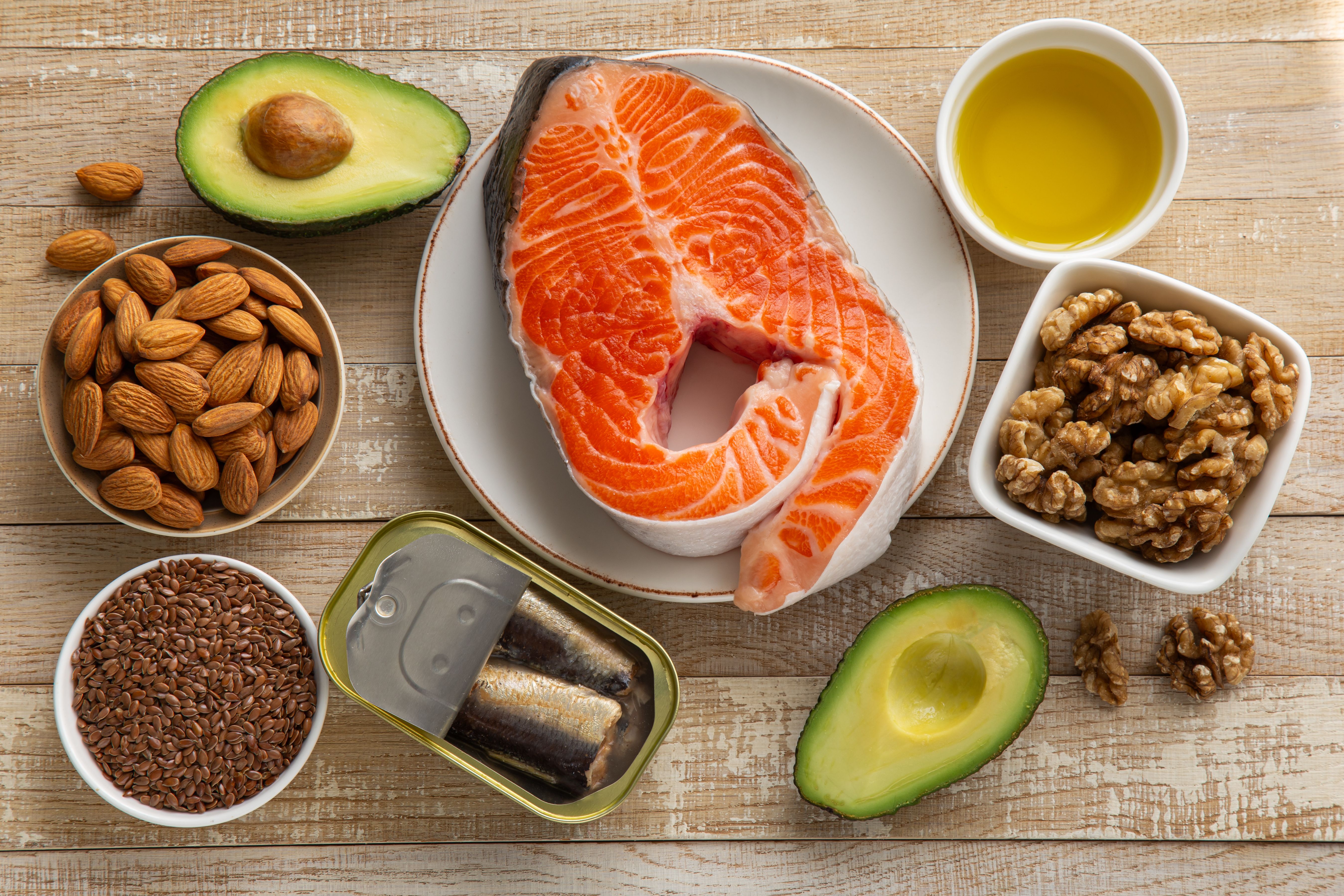
Omega-3s, found in foods like salmon, walnuts, and flaxseeds, are essential for brain function. They help reduce inflammation and have been linked to lower rates of depression. Including these in your diet can provide a natural mood boost.
Vitamin D
Often referred to as the "sunshine vitamin," vitamin D is crucial during the darker months when sunlight is limited. Foods such as fortified cereals, egg yolks, and fatty fish can help maintain adequate levels. Supplements may also be considered after consulting with a healthcare provider.
Maintaining Energy Levels
As the days become shorter, it's common to feel a dip in energy. Adjusting your diet can help sustain vitality and combat fatigue.
Complex Carbohydrates
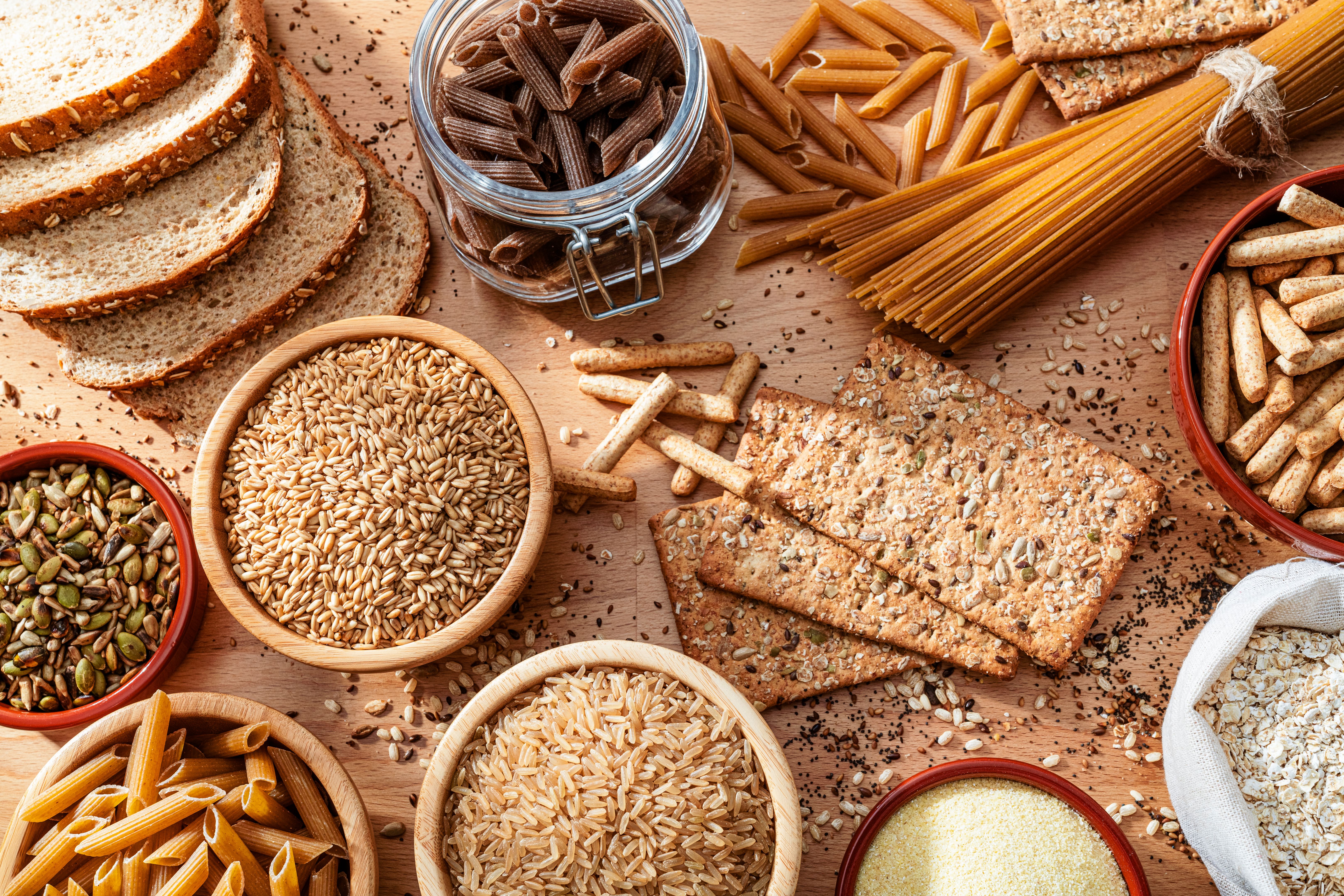
Complex carbs, like whole grains, provide a steady release of energy and support serotonin production, a neurotransmitter that stabilizes mood. Try incorporating oats, quinoa, and brown rice into your meals.
Hydration and Herbal Teas
Staying hydrated is vital for cognitive function. Herbal teas, such as chamomile or peppermint, can be soothing alternatives to caffeinated beverages, helping maintain hydration and calmness.
Practical Tips for Implementation
Integrating these nutritional changes doesn’t have to be overwhelming. Here are some practical tips:
- Plan Meals Ahead: Create a weekly menu that includes foods rich in omega-3s and complex carbohydrates.
- Snack Wisely: Keep healthy snacks like nuts and yogurt on hand to curb cravings and support energy levels.
- Stay Informed: Monitor your vitamin D intake and adjust as needed, especially during the winter months.
By making mindful dietary choices, you can support your mental wellness and navigate the seasonal transitions with greater ease and positivity.