A Comprehensive Guide to Integrating Nutrition and Therapy for Better Health


Understanding the Connection Between Nutrition and Therapy
Integrating nutrition and therapy offers a holistic approach to health that addresses both physical and mental well-being. By understanding the connection between what we eat and how we feel, we can create a balanced lifestyle that supports overall health. Nutrition affects everything from energy levels to mood, making it an essential component of a comprehensive therapy plan.

Therapists and nutritionists are increasingly working together to provide integrated care that considers the whole person. This collaboration can help individuals identify how specific nutrients impact their mental health and implement dietary changes to support therapy goals. With the right guidance, food can become a powerful ally in the journey toward better health.
The Role of Nutrition in Mental Health
Nutrition plays a crucial role in mental health by influencing brain function, neurotransmitter production, and mood regulation. Consuming a balanced diet rich in essential nutrients can help improve mental clarity, reduce anxiety, and enhance emotional resilience. For instance, omega-3 fatty acids found in fish are known to support brain health, while complex carbohydrates can stabilize blood sugar levels, reducing mood swings.
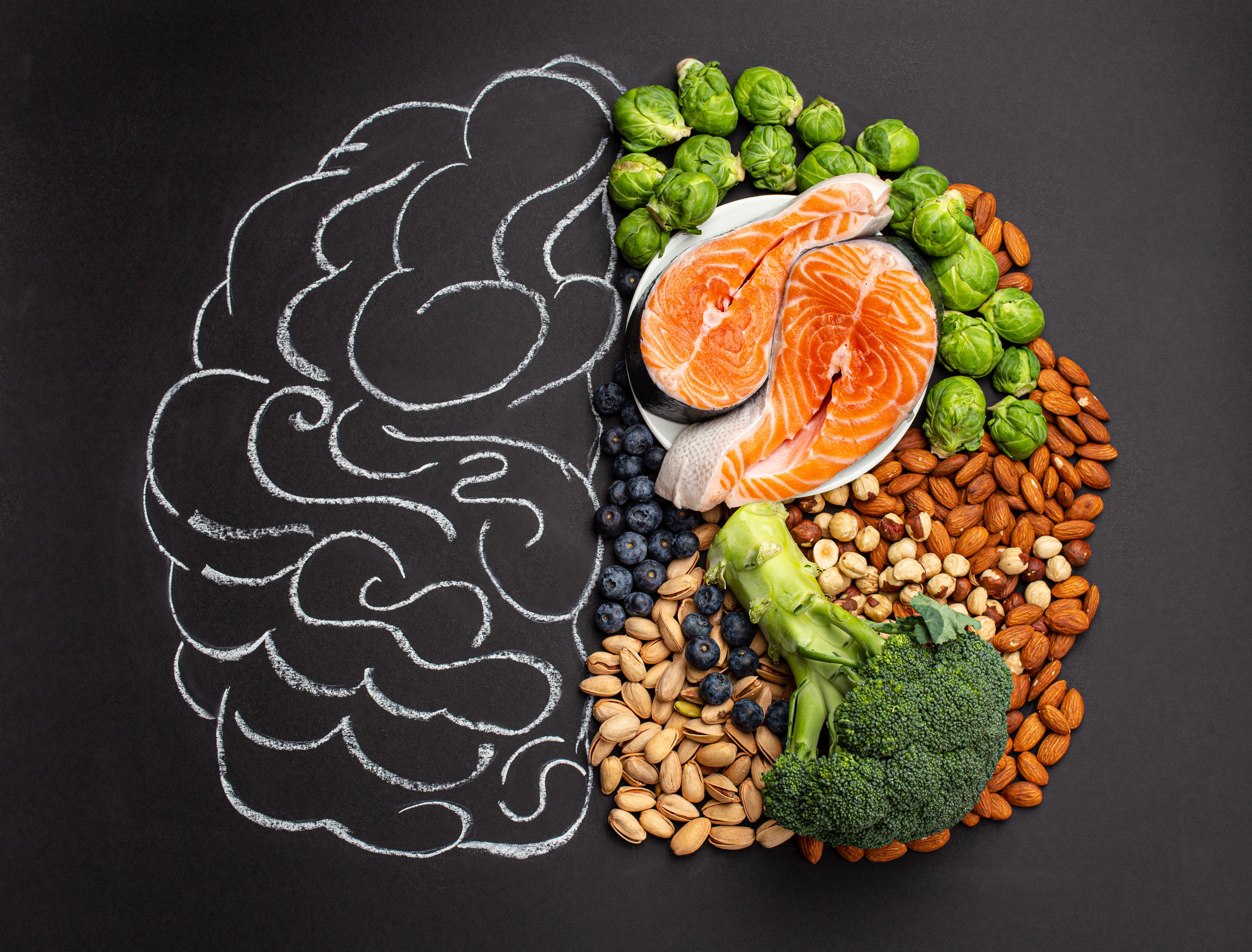
Incorporating a variety of fruits, vegetables, lean proteins, and whole grains into daily meals can provide the body with the vitamins and minerals it needs to function optimally. Additionally, staying hydrated and limiting processed foods and sugars can further enhance mental well-being.
Creating a Personalized Nutrition Plan
Creating a personalized nutrition plan that aligns with therapeutic goals can be highly beneficial. Working with a nutritionist or dietitian allows individuals to receive tailored advice that considers personal preferences, lifestyle, and health conditions. This personalized approach ensures a sustainable and enjoyable dietary plan that supports both physical and mental health.
Some steps to creating a personalized nutrition plan include:
- Assessing dietary habits and identifying areas for improvement
- Setting realistic and achievable nutrition goals
- Incorporating a variety of nutrient-dense foods
- Monitoring progress and adjusting the plan as needed

Therapy as a Complement to Nutrition
Therapy can complement nutritional changes by addressing underlying emotional and psychological factors that may impact eating habits. Cognitive-behavioral therapy (CBT), for example, can help individuals develop healthier relationships with food and overcome emotional eating. Mindfulness-based therapies can also encourage mindful eating practices that promote better digestion and satisfaction.
By combining therapy with nutrition, individuals can achieve a more balanced and harmonious approach to health. This integration allows for a deeper understanding of how thoughts, feelings, and behaviors are interconnected with dietary choices.
Practical Tips for Integrating Nutrition and Therapy
Successfully integrating nutrition and therapy requires commitment and consistency. Here are some practical tips to get started:
- Communicate openly with both your therapist and nutritionist about your goals.
- Keep a food and mood journal to track changes and progress.
- Be patient with yourself and recognize that change takes time.
- Celebrate small victories and stay motivated by focusing on long-term benefits.

Through these combined efforts, individuals can unlock the full potential of nutrition and therapy, paving the way for a healthier, more fulfilling life.